2025 Best English-Language Article in Korean History Prize Winner
The Chosǒn History Society (CHS) has named “The Fluid Religious Landscape of Chosŏn Korea: The Hermitage of Eternal Memory (Yŏngsa-am 永思庵) and Other Graveside Hermitages (punam 墳庵) of the Kigye Yu Lineage” by Sun Joo Kim, as the inaugural winner of CHS’s prize for Best English-Language Article in Korean History.
The article, published in October 2024 in the Journal of Korean Religions, examines the intersection of Buddhist and Confucian beliefs and practices during the Chosǒn period through the graveside hermitages (punam 墳庵) built by the period’s elites. Kim found that these settings of Confucian graveside rituals were often constructed on existing Buddhist sites close to the commemorated ancestor’s tomb, overseen by resident monks who performed Buddhist rituals, protected the tombs, and assisted in Confucian graveside rituals. This demonstrates how Chosǒn elites, while professing to be Confucian, maintained a religious fluidity through their interactions with Buddhist traditions.
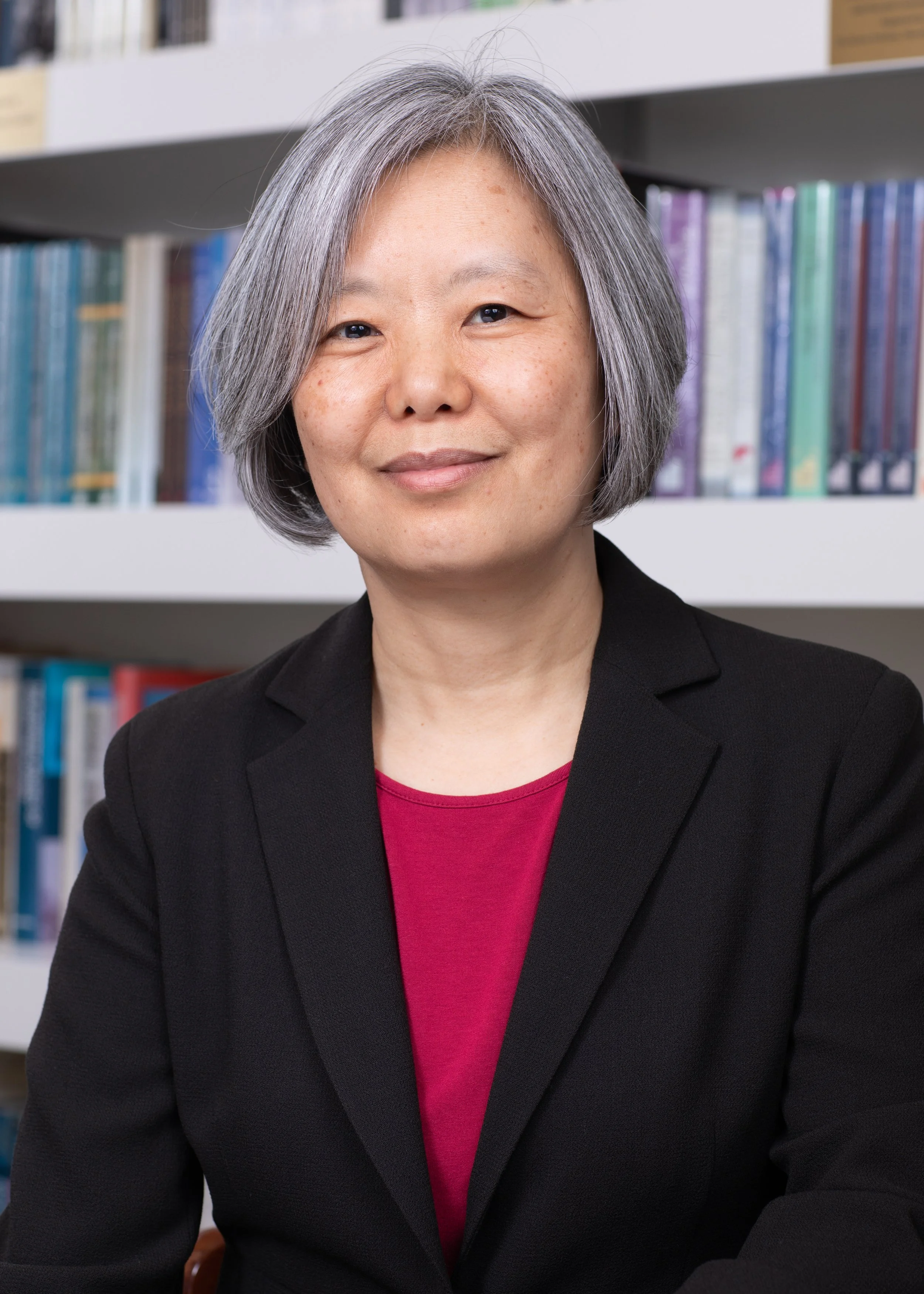
Dr. Sun Joo Kim, Prize Winner
The author, Sun Joo Kim, PhD, is Harvard-Yenching Professor of Korean History in the Department of East Asian Languages and Civilizations at Harvard University. Her research spans topics across the social and cultural history of Chosŏn Korea (1392–1910).
The winner was chosen by a vote of CHS members from a shortlist nominated by a selection committee from among English-language articles published in recognized, peer-reviewed journals between July and June of the prior U.S. academic year. Articles from any academic discipline were eligible as long as the main research question addressed issues pertaining to Korea’s past. Factors considered in the selection included the article's soundness and rigor of research, potential impact on future intellectual directions, novelty of its insights on Korea's past, and its accessibility to non-specialists. The award also entails a cash prize of $300 to be disbursed to the author(s) of the recognized article. More information on the award can be found: https://www.chosonhistorysociety.org/initiatives/article-prize
The article was nominated by a committee member based on the rigor of Kim’s research, including exhaustive use of the source materials, extensive annotations, and clarity of writing. The nominator wrote, “There has been work done by other scholars on the overlap between Confucianism and Buddhism in the late 18th century, including King Chŏngjo’s interest in Buddhism and Confucian influences on Buddhist doctrines, but this article does an excellent job of demonstrating how the two systems of thought and ritual were intertwined in how a prominent literati lineage remembered their ancestors. Simply put, this is not simply an examination of intellectual interest in Buddhism and Confucianism; rather, it shows how both the two traditions were interwoven in an important aspect of literati life. This work, it seems to me, is certain to stimulate further research in what is now emerging as a hitherto neglected area of elite culture.”
The nominator added, “Kim’s footnotes provide much explanatory information that will be invaluable for scholars and students who have interests in Korea’s cultural traditions but have limited backgrounds in the nuances of Korean Confucian and Buddhist practices.”
Other articles shortlisted for the prize included “The Genealogy of Confucian Modernity and the Reconstruction of Confucian Traditions in Post-Liberation Korea” by Hunjoo Kim, published in 2024 in Korean Studies; "Buddhist Artwork as Political Symbolism: With a Focus on Buddhist Artwork Created in the 920s in Later Paekche” by Joung-hwan Hin, published in 2024 in the Sungkyun Journal of East Asian Studies; and "Mid-Tang Exchange Poetry, the Kingdom of Parhae, and the Reception of Bai Juyi in Early Heian Japan, Part 1: Parhae Envoys and the Yuan-Bai Style of Exchange Poetry” by Dario Minguzzi, published in 2024 in the Sungkyun Journal of East Asian Studies.