
How Younghill Kang Brought Chŏson Fiction’s Love of Inset Poetry (揷入詩) into English
Presented by Spencer Lee-Lenfield, Assistant Professor, Harvard University
(New Date!) Mar 5, 3:00 pm (LA Time) / 6:00 pm (Boston Time) / Mar 6, 8:00 am (Seoul Time).
Please register: https://us02web.zoom.us/meeting/register/DRxLrdiZRoutqQ7WGxliCw
Abstract
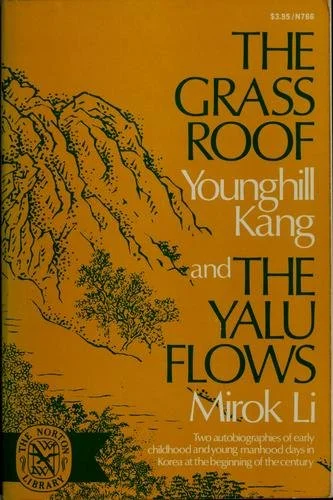
Younghill Kang’s 1931 The Grass Roof, long taken as the first commercially successful novel by a Korean in English, is unusual for incorporating sixty-five of its author’s translations of East Asian poetry into its narrative fabric (These embedded translations represented one of the earliest overseas mass audiences for Korean poetry.) I argue in this presentation that The Grass Roof’s extensive poetry citations adapted the literary convention of inset poetry (揷入詩) from the pre-modern Korean novel—in particular, Kuunmong and Ch’unhyangjŏn—hybridizing it with English-language autobiographical fiction.
About the Speaker
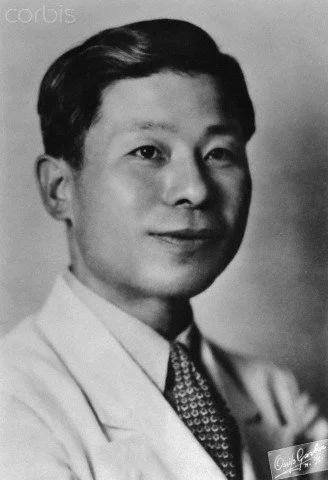
Spencer Lee-Lenfield is an assistant professor in the Department of Comparative Literature at Harvard University. They are currently adapting their dissertation, This Beauty Born of Parting: Literary Translation between Korean and English via the Korean Diaspora, 1920–Present, into a monograph. Other recent research has appeared in publications including Criticism, PMLA, Poetics Today, Narrative, and Modern Language Quarterly. This presentation borrows from an article scheduled for publication in the Journal of Korean Studies in 2027.
Moderator
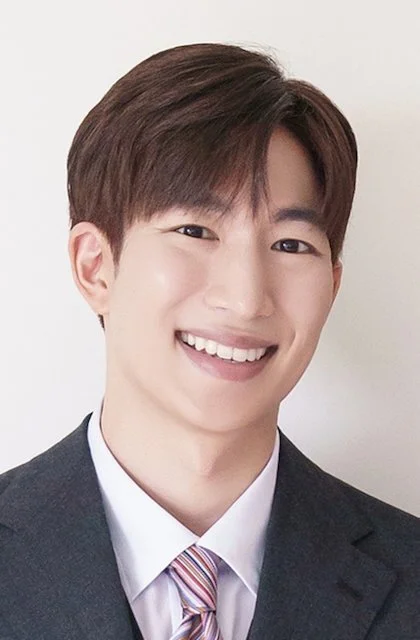
HeeJin Lee is Assistant Professor and Marianna Brown Dietrich Breakthrough Scholar Chair of Korean Studies at the University of Pittsburgh. She is a scholar of modern Korean literature with research interests in Cold War cultures and the politics of decolonization in comparative contexts. Lee is currently working on her first book manuscript, which traces how anticommunism in Korea during the early years of the Cold War shaped what we know about modern Korean literature today.